
What Changes at the Newsstand in Summer? A Local Seasonal Guide
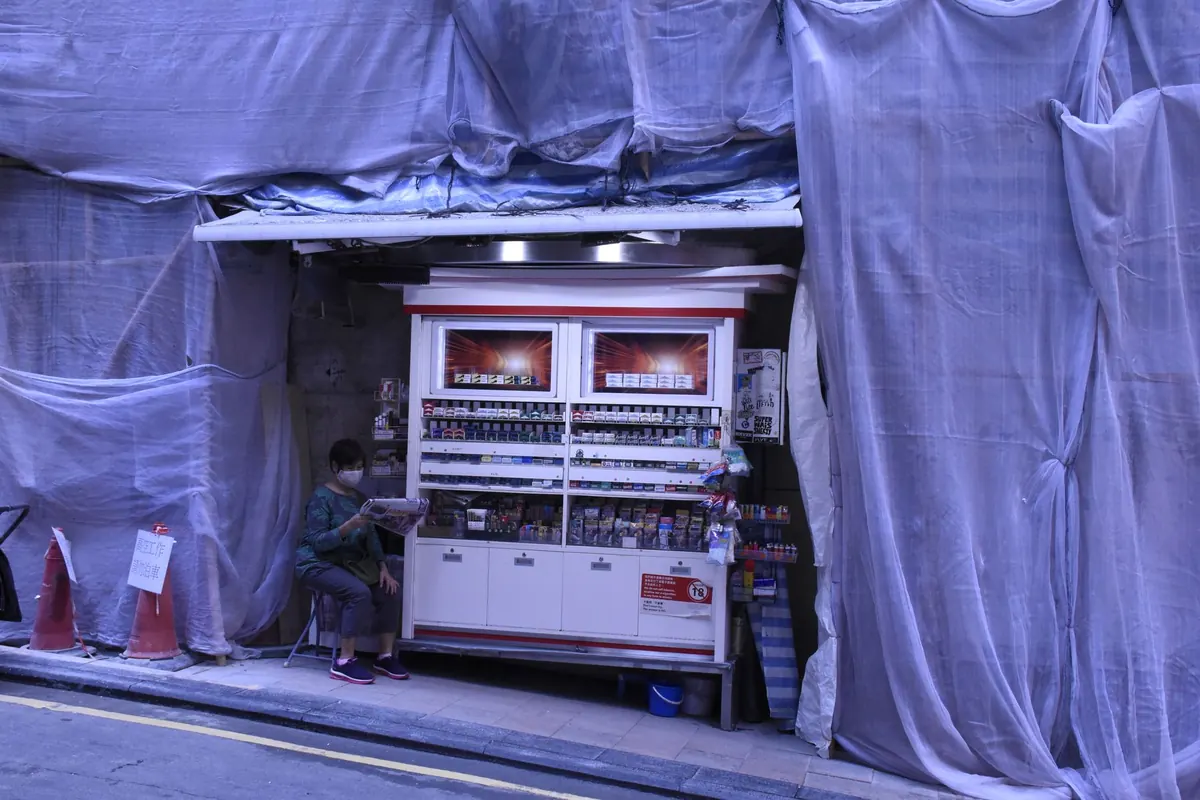
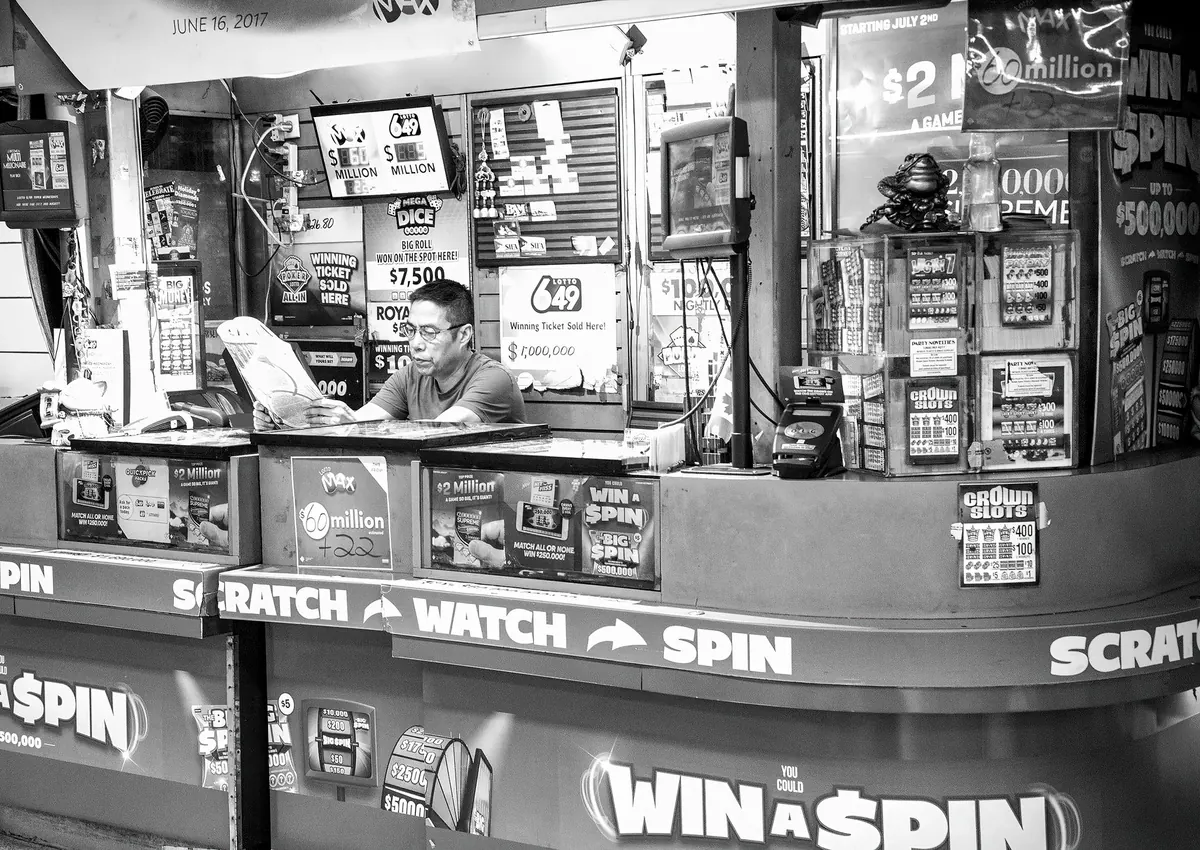
Summer rearranges the neighbourhood. Shutters go up earlier, the piazza empties between one and four, and the queue at the counter thins out in a way that would be unthinkable in November. The newsstand moves with it — not dramatically, but in ways worth knowing before you walk down with a coffee in hand and find the shutter half lowered. What follows is a practical guide to the season: how the hours shift, which publications disappear for a fortnight, and why the counter suddenly becomes the best place to find out what is happening on a Saturday night.
The Hours Move in Two Directions at Once
The first thing regulars notice is that summer hours are not simply shorter. They stretch at both ends and pinch in the middle. Deliveries arrive earlier because the vans run lighter routes before the heat settles in, so the rack is often fully dressed well before the time you would normally expect it. On the other side, the evening opening drifts later, following the passeggiata rather than the clock on the wall.
Three shifts worth knowing
- Earlier mornings. Papers are usually out and folded on the counter sooner than in winter. If you are an early riser, this is your season.
- A longer midday gap. The closure around lunchtime often extends by half an hour or more, particularly in the hottest weeks of July and August.
- Later evenings. Reopening tends to slide towards the cooler part of the day, and on the evenings before weekends it can run noticeably later than the winter norm.
None of this is uniform. Hours shift with the owner's family arrangements, with staffing, and with whatever the town has scheduled that week. The reliable move is to check the handwritten card in the window rather than rely on memory from last summer. Photograph it with your phone; it saves a second trip.
The Midday Gap: Planning Around It
The midday closure catches out more visitors than anything else. If you need something specific — a reserved copy, a magazine that arrives on a particular day, a form you have to pick up in person — treat the morning as your window and the late afternoon as your backup. Between roughly one and four, assume the shutter is down unless you have seen otherwise that same day.
Two small habits make the difference. First, buy the following day's paper in the evening rather than hoping to catch it before work. Second, if you are heading out for a specific item, call ahead during opening hours. A thirty-second conversation saves a walk in full sun, and it lets the newsstand put the item aside where it will not be sold to someone else in the meantime.
Holiday Publications and the Delivery Calendar
This is the part that surprises people who have never spent August in a small town. Publications do not simply continue as normal while everyone else is on holiday. Weekly magazines frequently produce a combined issue covering two weeks, monthly titles often skip a month entirely or appear with a thinner news section, and around the middle of August the deliveries themselves thin out to almost nothing for a few days.
The practical consequence is uneven shelves. One Tuesday the rack looks full; the next it has gaps where your usual title should be. Nothing has gone wrong. It is the calendar doing what it does every year.
How to avoid coming home empty-handed
- Ask at the counter which of your regular titles takes a summer break, and note the dates.
- Reserve the issues you genuinely do not want to miss, especially special editions and anything with a supplement.
- Buy the weekend papers on Friday evening or Saturday morning rather than Sunday afternoon, when remaining copies are few.
- If you are travelling, ask whether your reservation can be held for collection when you return.
One more note on the mid-August holiday: many offices, deliveries and shops close around it, and the newsstand may keep reduced hours for a day or two. Ask in advance. A question asked in late July is worth more than a disappointment on the day.
What Moves Fast and What Waits Patiently
Summer changes what people buy, and the rack reflects it. Crossword and puzzle collections disappear quickly, as do thick holiday reading editions, children's activity books and anything that survives a beach bag. Local papers sell in a narrower window too — people buy them on the day, not three days later. Foreign-language press picks up noticeably wherever visitors arrive, and titles can run short simply because the order was placed months earlier against an expected demand.
Meanwhile, the heavy reference volumes and the specialist monthlies sit quietly through August, undisturbed. If your taste runs that way, you will find what you want without any competition at all.
The Counter as a Summer Information Point
Something else happens at a local newsstand in summer: it becomes a noticeboard with a person attached. Posters for the patron saint's feast, the programme for the outdoor cinema, the timetable change for the bus to the coast, the sign-up sheet for the five-a-side tournament — much of it passes across the counter before it reaches anywhere else.
Ask directly. Staff generally know which evenings the market runs, whether the fireworks have been moved to the Sunday, which road is closed for the procession, and where tickets for the concert are being sold. It is faster than scrolling, and considerably more accurate than the notice that has been up since June and never came down.
This is also the moment to pick up printed programmes while they last. They are usually free, produced in modest numbers, and gone by the second week of the festival.
Reservations, Subscriptions and the Pull List
If you buy the same titles every week, set up a reservation. A name on a list, or a note behind the counter, means your copy is kept aside without a daily conversation. It costs nothing and it removes the small anxiety of arriving at eleven to find the last copy gone.
Two things to confirm before you rely on it. First, whether reservations continue while you are away — some newsstands hold copies for a fortnight, others pass them on. Second, whether your usual title is one of the ones taking a summer break, in which case there will be nothing to hold for that week. Ask at the start of the season and you will not have to think about it again until September.
A Short Summer Checklist
- Read the handwritten hours card in the window and photograph it.
- Do the morning run for anything specific; late afternoon is the backup.
- Reserve the titles you would be annoyed to miss.
- Ask which publications take a break, and when.
- Buy weekend papers on Friday evening or Saturday morning.
- Pick up festival programmes early, while they are still in the rack.
- Ask about the mid-August hours rather than guessing.
None of this takes long. Ten minutes at the counter at the start of the season, one question about deliveries, one look at the card in the window — and the rest of the summer takes care of itself. The newsstand is still there, doing what it has always done, just on a schedule that follows the light and the heat rather than the calendar on the wall.
Photo: Yuen Tou Zan / Pexels