

How to Use the Piazza Noticeboard to Find Local Events This Week

The noticeboard in the piazza is the least glamorous thing in town and one of the most useful. On Monday it looks like weather: paper layered over paper, a corner lifting in the wind, a phone number added in biro because the printed one has worn away. By Thursday you have walked past it four times and missed a book stall, an open choir rehearsal, a guided walk and the sign-up sheet for a trip that leaves in ten days. Reading it properly takes five minutes. Turning what you read into a week that actually happens takes a little more.
Start With the Layers, Not the Headlines
Notices get taped on top of older notices, so the newest information is usually at eye level and the history of the piazza is underneath, curling at the edges. Read from the middle outward. The headline is the least reliable part of most posters: Summer Festival in large letters tells you nothing about whether the event is this year or three years ago. Look for the date written in small type at the bottom, and read it twice.
Check the tear-off tabs along the bottom edge. If every tab has been taken, the event is either popular or old — both are reasons to ring before you rearrange your Saturday. If someone has written a note across a poster in pen (“moved to the parish hall”), believe the pen over the print.
Take a photograph of the whole board, then close-ups of anything that looks interesting. It is much easier to read a phone number from your own kitchen table than to squint at it in the sun with a shopping bag in each hand. While you are there, notice who posted each notice: a sports club, a parish, a shop, a private citizen with a number and no logo. That tells you who to ring when something is unclear.
What to skip
Faded sheets for events that have already passed. Advertisements for services dressed up as community notices. Anything with a date but no year and no way to contact a human being. The board rewards a certain impatience — you are looking for what is live, not reading it like a newspaper.
The Five Questions That Turn a Notice Into a Plan
A notice becomes useful the moment it answers these. If it answers fewer than three, it is not a plan yet — it is a possibility, and possibilities are what fill a week with good intentions.
- What actually happens? “Aperitivo in the square” can mean a drinks cart or a four-course meal. “Concert” with no start time is not information.
- When does it start, and when does it end? Doors and start time are different things. So are “from 6pm” and “at 6pm sharp”.
- Where do I go in? A piazza address is useless if the building has three entrances and the event is in the back room of one of them.
- Who do I contact, and how? A phone number is better than an email address. A name is better than both.
- What do I need to bring or do? Booking, a folding chair, cash for a collection tin, walking shoes, a dish to share, a membership card.
One more thing worth noting: the smaller the event, the more the details matter. A town festival absorbs latecomers. A twenty-person workshop does not.
Sort What You Find Into Three Piles
Standing at the board with your phone camera, be decisive. Everything you photograph should land in one of three places before you leave the piazza.
- This week. A date within the next seven days, a place you can reach, and a time you can protect. These are the ones that go in the diary.
- Watch. Recurring events and things further out — the monthly repair café, the autumn trip, the course that starts after the holidays. Save the photo in a folder you will look at again.
- Not for me. Be honest here. A notice you feel vaguely guilty about is worse than no notice at all.
The third pile is the one people forget. Crossing something off at the board, rather than carrying it around for a week, is what keeps the first pile small enough to act on.
The Board Is Only One Noticeboard
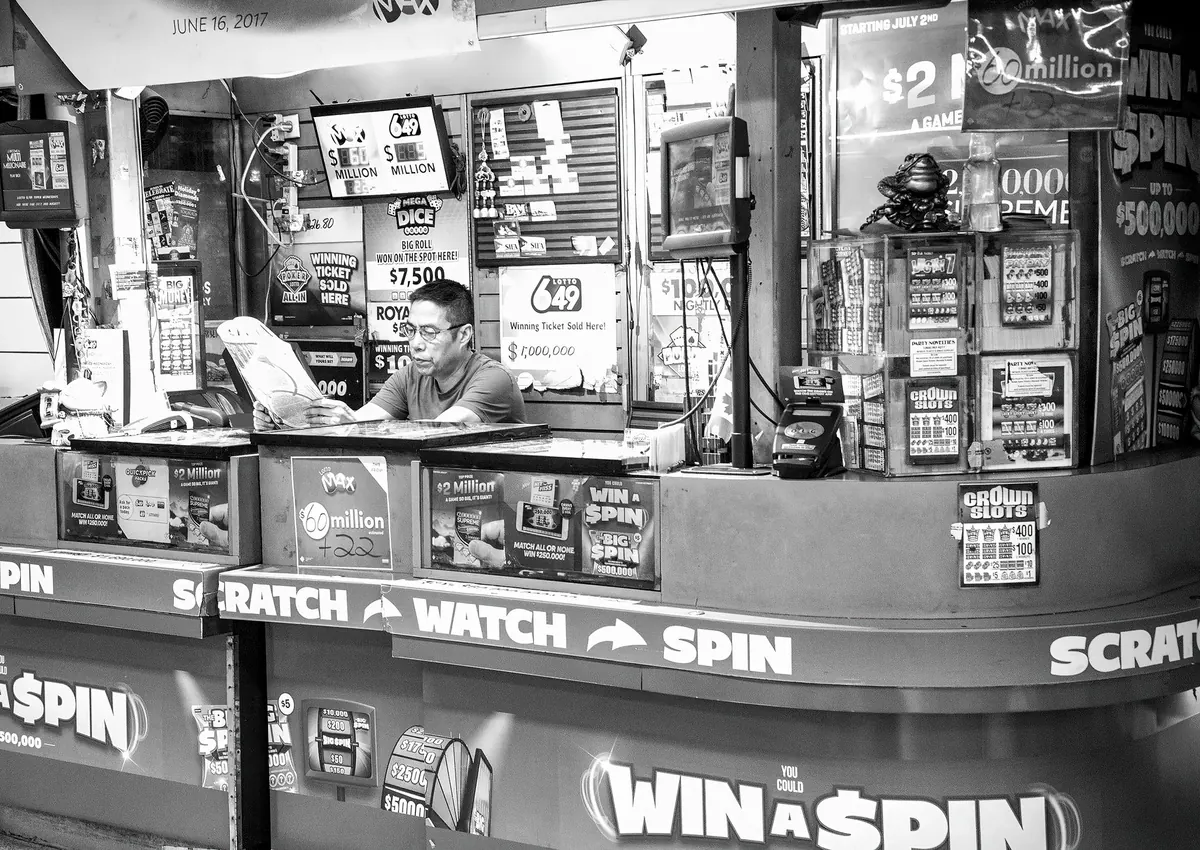
The piazza board gets the big posters, but the smaller announcements live elsewhere: the counter at the newsstand, the window of the bar, the glass case outside the town hall, the library entrance, the parish hall door, the fence by the school gate. Each of those places attracts a different crowd, and each carries a different kind of notice. A neighbourhood supper and a council meeting rarely appear on the same sheet of paper.
Ask the person behind the counter. They hear about cancellations, room changes and the event that has been moved twice, and they can usually tell you which of two competing posters is the current one. A simple “anything on this week that isn’t on the board?” often produces better information than the board itself.
Then confirm before you go. Printed notices are a snapshot, not a live feed. A quick call to the venue, or a question at the counter the day before, saves you a wasted walk across town.
Build a Week That Actually Happens
Pick two, not seven
A board full of notices creates a pleasant illusion of a busy week. Two events you genuinely attend beat seven you meant to. Choose one thing that gets you out of the house and one thing that involves other people, and treat the rest of the week as already full.
Two events you actually attend are worth more than seven you intended to.
Cluster by place
If two notices are in the same part of town, put them in the same week. An errand between them, or a coffee, turns two separate trips into one afternoon. If something requires a bus ride or a parking spot on market day, it deserves a note about how you are getting there — that detail is what usually kills the plan.
Attach it to something you already do
The easiest events to attend are the ones pinned to an existing habit. Saturday morning shopping can end at the book stall in the piazza. Thursday evening can start with the choir rehearsal that happens two streets from where you park. Write the new thing directly under the familiar thing in your diary, not on a separate list.
Finally, tell one person you are going. Not a group chat, one person. It is the cheapest commitment device available, and it also means you will have someone to stand with at the door.
Small Print, Sign-Up Sheets and Notices Asking for Money
Most community notices are free, some ask for a donation, and a few are ticketed with places that genuinely run out. Read the line at the bottom carefully. If booking is by phone, note who you spoke to and the day you called. If there is a waiting list, put your name on it — places do come free in the last few days.
Be careful with any notice that asks for payment details, a bank transfer or personal information before you have spoken to a person. Ring a number you have found yourself rather than one printed in a hurry, and ask the venue or the club directly. For anything touching money, health or legal matters, treat the flyer as a starting point only and speak to the organiser or a qualified professional before committing.
A Five-Minute Thursday Routine
None of this needs to be a project. Once a week, on the same day, do the following and then forget about it.
- Walk the board once, top to bottom, and photograph anything promising.
- Ask at the counter whether anything has been cancelled or moved.
- Answer the five questions for each notice that survives.
- Sort into this week, watch, and not for me.
- Put two things in the diary, with times, transport and one person told.
Do that and the piazza stops being scenery on the way to the shop. It becomes what it was built to be: a list of things happening a few streets away, written by people who would be glad to see you there.
Photo: Nothing Ahead / Pexels