

Local Newspaper vs. National Paper: Which One Fits Your Morning Routine?
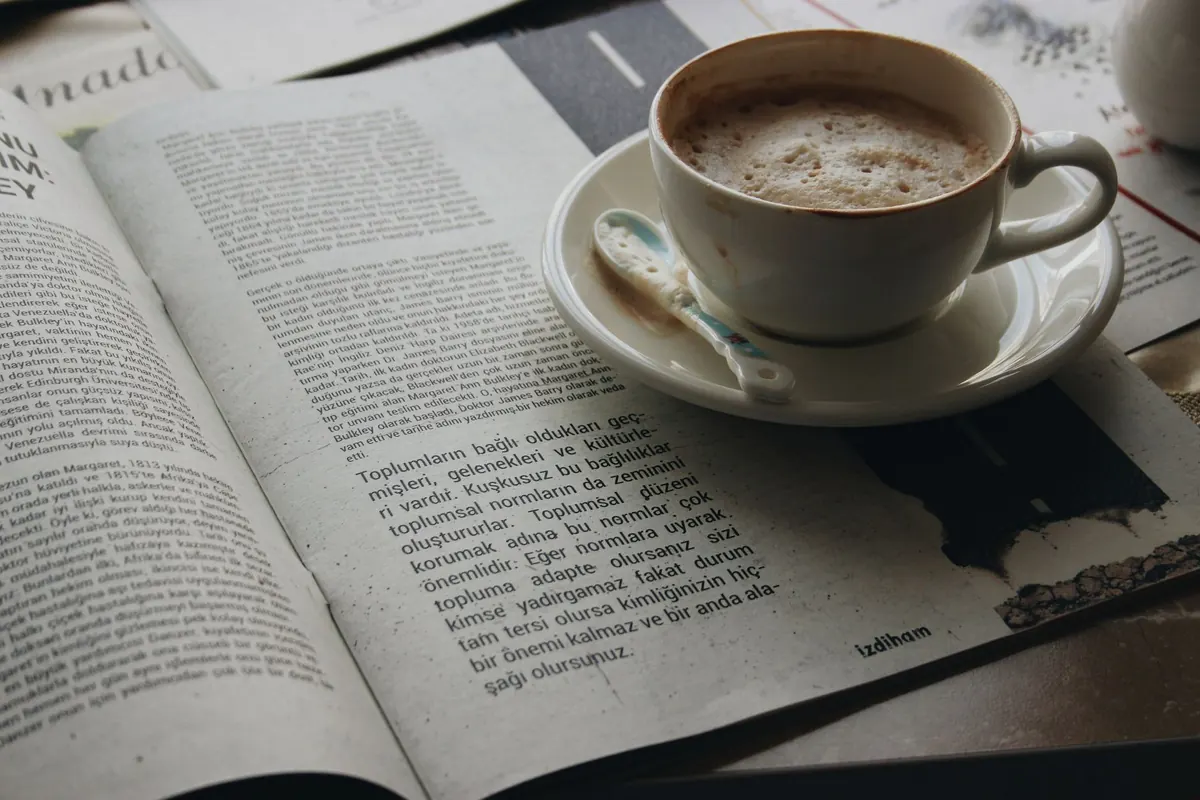
A good morning paper should feel like part of the routine, not another task on the list. The choice between a local newspaper and a national one is less about prestige and more about what you want from the first twenty minutes of your day. Do you need to know why the road near the school is closed, or what the central bank’s latest decision means for your mortgage? Do you want obituaries, council notices, and Friday night football, or foreign affairs, market coverage, and long-form culture? Most readers want a bit of both. The practical question is which paper earns its place on the kitchen table—and which one you will actually finish.
What Each Paper Does Best
Local and national newspapers are built for different jobs. A local paper sits close to the ground. It covers the school board meeting that changes start times, the planning application for the empty lot on your street, the new bakery opening two blocks away, and the high school team’s season. Its reporting is often useful in a direct way: you can act on it, complain about it, or show up to the meeting it mentions. A local paper also carries the small notices that national outlets rarely touch—road closures, council budgets, local court reports, church events, and obituaries that matter deeply to the people named in them.
A national paper gives you context and consequence. It covers national politics, the economy, international conflicts, major court rulings, science, health policy, and culture. It can tell you why a factory closure in another region might affect prices where you live, or how a national budget deal could change local services. National papers tend to have more resources for investigation and analysis, and they often cover the stories that local papers cannot afford to follow for months.
Local coverage: the stuff you can act on
If your mornings are about logistics—school runs, commute times, local appointments—a local paper often gives you a better return on five minutes of reading. You learn which road is closed, which council agenda item is worth watching, and which local business is hiring. That kind of information has a short shelf life and a high practical value.
National coverage: the context you carry with you
If you want to understand the wider forces shaping your town, a national paper is stronger. It connects local symptoms to national causes: housing costs, interest rates, energy policy, immigration, education funding. It also gives you a common set of facts for conversations at work or around the dinner table.
The Cost Question: Cover Price, Subscription, and Real Value
Cost is rarely just the cover price. At a newsstand, a national daily often costs more than a local weekly, but the comparison changes once you factor in frequency. A daily national paper costs more per week than a local weekly simply because you are buying it more often. A free local paper supported by advertising may cost nothing at the counter, but it still asks for your attention—and it may carry less original reporting than a paid local title.
Before you decide, compare the total weekly spend, not the single copy. Ask yourself:
- How often will I buy it? A daily habit adds up differently from a weekend-only habit.
- Is there a subscription or digital bundle? Many papers offer print-plus-digital access; check whether it works for your routine.
- What do I actually read? A paper you skim for headlines is poor value; one you read cover to cover is good value even at a higher cover price.
- Does the local paper include the notices and listings I need? Obituaries, planning notices, and community calendars can be worth more than the cover price to some readers.
One sensible rule: spend no more on newspapers than you would on a weekly coffee habit you actually enjoy. If the cost makes you feel guilty, you will skip it. If it feels like a small, reliable pleasure, you will keep it.
How Much Time Do You Actually Have?
Reading time is not only about page count. It is about how long you want to sit still. A local paper often fits a shorter morning: a quick scan of the front page, a look at the council story, sports, and obituaries. A national paper invites a longer sit, with analysis, opinion, and international reporting that can take thirty minutes or more if you read widely.
Think in sections, not whole papers. You might read the local paper in ten minutes—headlines, local news, one feature—and save the national paper for the weekend. Or you might read the national paper’s front section on weekdays and the local paper on Fridays when it lands. The format matters too: a compact local weekly is easy to hold at the breakfast table; a broadsheet national daily may need more space and more time.
The Morning Routine Test
Match the paper to the life you actually live, not the reader you imagine yourself to be. Try this simple test for one week:
- At the same time each morning, note what you reach for first. If it is local news, a local paper will serve you better. If it is national politics or markets, start there.
- Buy one local and one national paper on a Saturday. Read both at your normal pace. Notice which one you finish and which one you abandon.
- Count the stories you mention to someone else that day. The paper that gives you useful conversation is the one worth keeping.
- Check the delivery and pickup routine. A paper you have to chase is a paper you will stop buying. If your newsstand opens after you leave, choose a weekend subscription or a digital edition.
If you have a short commute and a busy household, a local weekly plus a national digital subscription may be the most realistic mix. If you work from home and have a slower start, a daily national paper and a weekend local paper can work well. If you are new to the area, start local: it will teach you the names, roads, and institutions you need to know.
Why Not Both? A Practical Hybrid
Many readers settle on a hybrid without calling it that. They buy the local paper when it comes out, because it carries the notices and community news they cannot get elsewhere. They read a national paper online during the week and pick up the weekend print edition for the longer pieces. That combination keeps the cost manageable and the reading time realistic.
If you try a hybrid, be specific about the split. For example: local paper on the day it publishes, national paper on Saturday and Sunday. Or local news in print, national news in a digital subscription you read at lunch. The point is to avoid buying both every day and then feeling behind. A paper you read is better than two papers you stack by the door.
A Side-by-Side Checklist Before You Choose
Use this checklist at the newsstand or when comparing subscription offers. It keeps the decision practical.
- Coverage: Does the local paper cover the school board, planning committee, local courts, and community events you care about? Does the national paper cover the national and international stories you follow?
- Cost: What is the weekly cost at the counter? Is there a subscription, digital bundle, or weekend-only option? Does the price fit your budget without guilt?
- Reading time: Can you finish the sections you care about before you leave the house? If not, can you save part of it for later?
- Access: Is it available at your usual newsstand? Does it arrive before your morning starts? Is the digital edition easy to read on your phone?
- Use: Does it carry obituaries, notices, sports scores, or listings you need? Does it give you stories you mention to other people?
Build a Morning Habit You Will Keep
Choose one paper for a week and read it at the same time each morning. Keep a note of what you actually read and what you skip. At the end of the week, decide whether to keep it, switch, or add a weekend edition of the other paper. The best choice is not the most prestigious title or the cheapest copy. It is the paper that fits your table, your time, and your curiosity—and that you look forward to opening tomorrow.
Photo: Sena / Pexels