
How to Hold a Daily Newspaper at Edicola Della Piazza: Step-by-Step
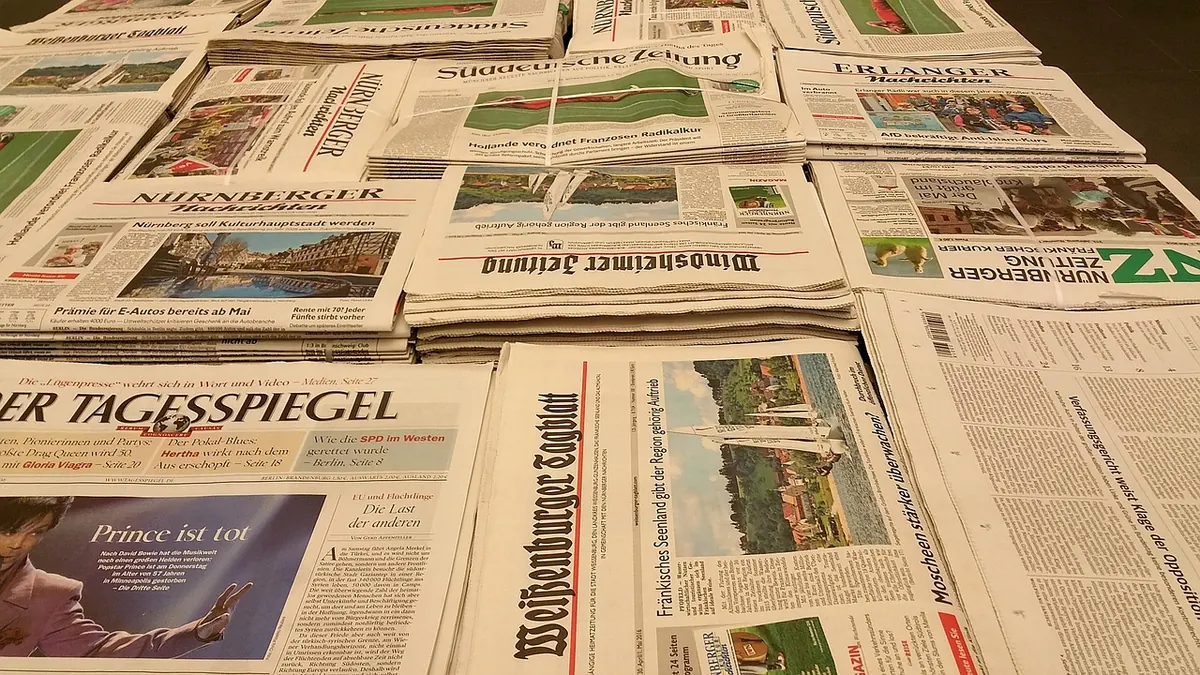
Six-forty in the morning is a bad time to discover you want a newspaper you had not thought about until that moment. By the time the shutters go up at Edicola Della Piazza, a fair number of the day's copies are already spoken for — some set aside for regulars, others claimed in the first twenty minutes by people passing on their way to the station. The fix is simple and pleasantly old-fashioned: put your name on a copy in advance. What follows is the whole procedure, from the words to use at the counter to what to do when a holiday or a shift change upsets your routine.
Why a Hold Makes Sense — and When It Doesn't
Not every paper needs reserving. If you read a title the shop receives in generous numbers, an ordinary weekday at half past eight will usually be fine. A hold earns its keep in a few specific situations: you want the same paper every morning and cannot get there before the rush; you want a title that arrives in smaller numbers, such as a specialist financial or sporting daily, or a regional edition that travels further to reach the rack; or you only want the paper on particular days, and those days happen to be the busy ones.
Weekend editions are the classic case. Saturday papers are thicker, cost more and move faster, and Sunday titles can be gone before the square fills up. If you have ever arrived to find the rack empty and a stack of the paper you did not want, you already know whether you need a hold.
One thing worth understanding: at most newsstands this is a courtesy rather than a paid service. It runs on goodwill in both directions. Turn up when you say you will, and the arrangement lasts for years. Vanish for a week without a word, and the newsagent has every reason to give your copy to the next person who asks.
Know Exactly What You're Reserving
Newspaper words get used loosely, so be precise about the arrangement you want.
- A hold. A copy is taken from the shop's normal delivery and set aside under your name. Nothing extra is ordered. This is the quickest option and the one most people mean.
- An order. The shop increases its allocation with the distributor because you have committed to a copy. This needs notice — often several days — and suits a standing arrangement rather than a one-off.
- Home delivery. A separate service, not offered everywhere. Ask directly; do not assume.
Then pin down the paper itself. Which title, and which edition — some dailies print regional variations, and the one on the rack may not be the one you read. Weekday or weekend. And whether the copy you are thinking of includes the magazine or television supplement, which is sometimes counted separately when the shop does its sums. A thirty-second conversation now saves a week of small disappointments.
The Five-Minute Walkthrough
Do this once and you are set up for as long as you like.
- Pick your moment. Late morning or early afternoon, when the counter is quiet. Do not raise a new arrangement at ten to eight with a queue behind you.
- Bring the details. Title, edition, which days, and roughly what time you expect to collect.
- Ask plainly. Something like: "Could you hold a copy of this for me on weekday mornings? I'd usually be in by half past eight."
- Agree the collection deadline. Ask how long they will keep it before releasing it to someone else. Half an hour after your usual time is a sensible understanding; a whole day usually is not.
- Leave a name and a fallback. Your surname, and a phone number if they take one. If a family member might collect, say so now rather than explaining it at the counter later.
- Settle payment. Paying at collection is normal. For a long standing arrangement, ask whether they prefer a running tally settled weekly — and keep it settled.
- Trial it for a week. A short trial lets both sides adjust before it becomes a habit.
What to say at the counter
Good morning — I'm in most mornings around eight and I keep missing this one. Could you set aside a copy for me on weekdays? My name's on the slip if that helps. What time do you need me to collect by?
Setting Up a Standing Reservation
A standing reservation is just a hold with a pattern attached. Tell the newsagent the shape of your week: every weekday, or Mondays and Saturdays only, or whatever is true. Be honest about your actual routine rather than the one you would like to have. A hold for seven days that you collect on four wastes copies and, more importantly, costs the shop money.
Ask what happens when you do not appear. Most newsagents will hold a copy for a set period and then return it to the rack; some will keep it for you until the next day. Either is reasonable — you just need to know which.
Two small habits make a standing arrangement survive. First, give warning of holidays: a week's notice lets the shop reduce its order and saves a stack of unread papers. Second, be predictable. If your morning shifts by an hour, mention it once. The newsagent is running a business on thin margins and a short window; reliability is the currency here, and it is repaid.
Picking Up Without the Queue
Reserved copies usually live behind the counter or in a labelled pile near the till, often with a slip or a rubber-banded bundle. Learn where yours sits and greet the person at the counter rather than reaching past them.
Timing helps. Arriving shortly after opening, or once the commuter rush has thinned, keeps your visit to under a minute. Having the right change ready is a small courtesy that buys a great deal of goodwill over a year.
If someone else is collecting for you, tell the shop in advance — a name on a slip is fine, an unexpected stranger asking for your paper is not. And if you decide to skip a day, say so when you next come in. It takes one sentence and keeps the arrangement clean.
When Plans Change: Pausing, Cancelling, Sharing
Arrangements should be as easy to end as they are to start. If you are away, ask for a pause rather than simply not showing up. If you want to switch titles, give a few days' notice so the shop can adjust its order; a swap made on the morning itself is awkward for everyone.
Cancelling needs nothing more than a word at the counter, ideally a couple of days ahead. If you are moving away, say so — many newsagents will happily pass your slot to someone else on the waiting side of the conversation.
Sharing is worth considering. Two households on the same street reading the same paper can split a standing reservation and take alternate days, or one reads in the morning and passes it on. Ask first whether the shop minds a copy being collected by a neighbour on certain days; most will not, provided they know the names.
Small Habits That Keep Your Copy Waiting
Reserve a day ahead, not on the morning you want it. Be specific about title, edition and days. Agree the collection deadline out loud. Pay as you go, and settle any running tally promptly. Warn about holidays and shift changes. Say thank you occasionally — the person holding your paper has been up since before dawn, and the arrangement you have is a small piece of mutual trust rather than a transaction.
Get those habits in place and the morning routine becomes effortless: the shutters go up, the bundle is cut, and your copy is already set aside, folded and waiting under your name.
Photo: 4262159 / Pixabay